
 Full body
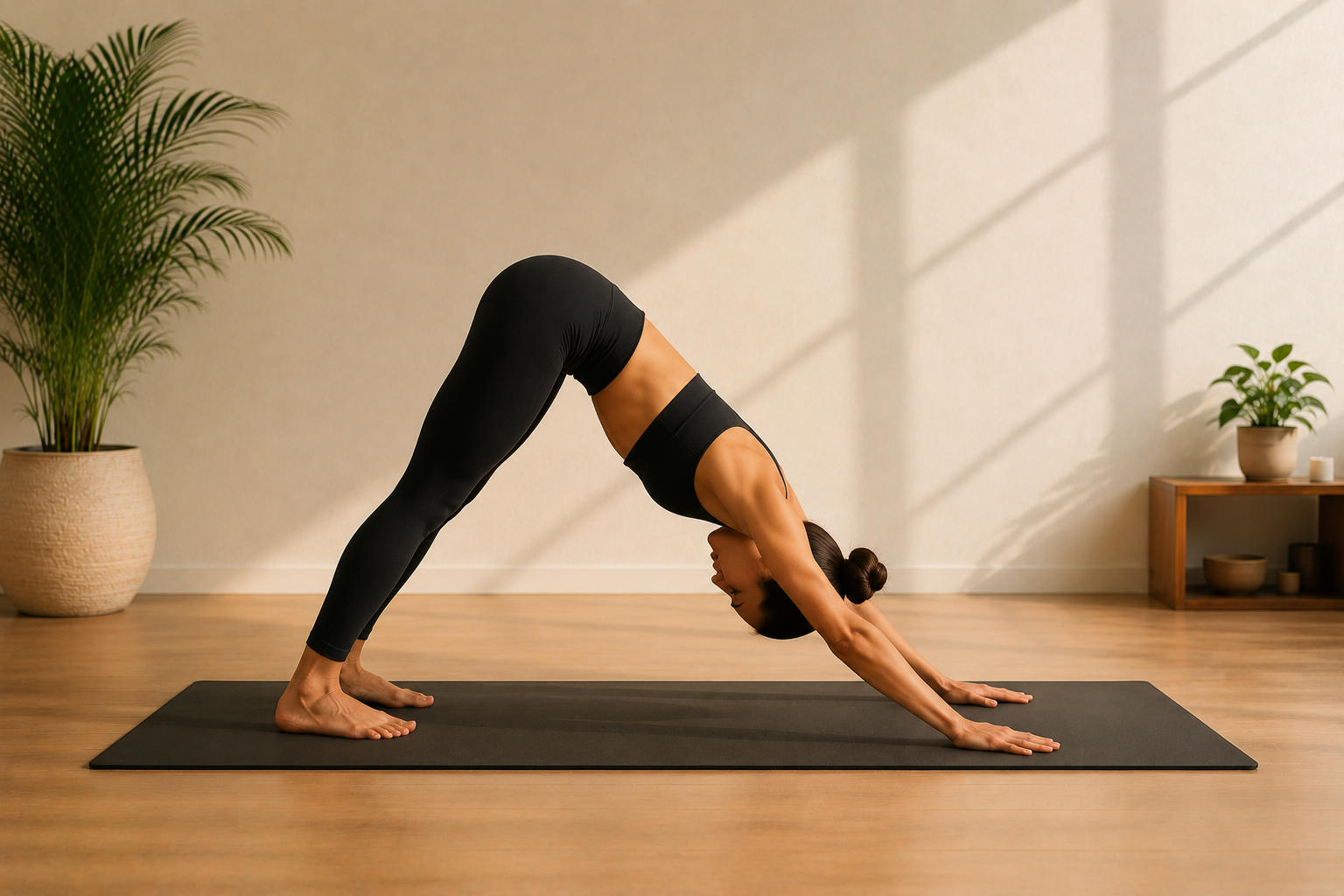
Downward Dog
A foundational inversion that lengthens the hamstrings, opens the shoulders, and decompresses the spine. Press the floor away and let your heels reach the ground.
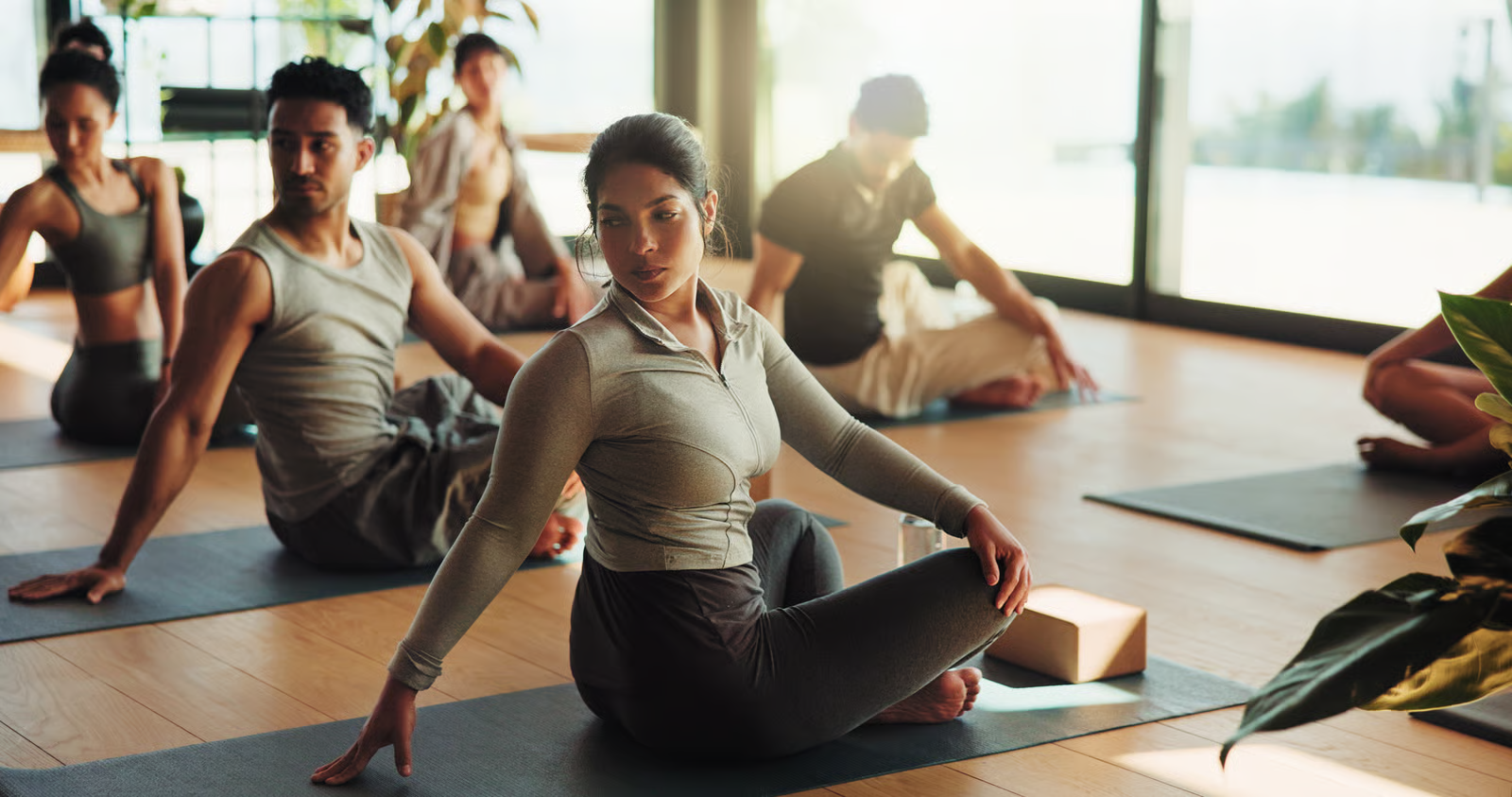
A quiet space to breathe, stretch, and recover. Start with a featured practice, learn the foundational poses, and explore short reads on mindful movement.
A gentle, accessible session to ease into your practice. Follow along at your own pace - modify freely and let the breath lead each movement. This is the perfect starting point whether you're brand new to yoga or returning after time away.
Roll out a mat, dim the lights, and give yourself these twenty minutes. Consistency beats intensity - even a short daily practice will move you further than a long session once a week.
Yoga is a conversation with your body, not a performance. Start slow, breathe deep, and let each pose meet you where you are.
Every practice begins with the breath. Long, quiet inhales through the nose - the body follows the breath, not the other way around.
Mobility work between hard sessions helps your joints, tissues, and nervous system return to balance so you can train again tomorrow.
You don't need a hundred postures - you need a handful, practiced with attention. Below are the foundational shapes that most yoga sessions return to. Learn them slowly, feel them deeply, and let them become old friends.
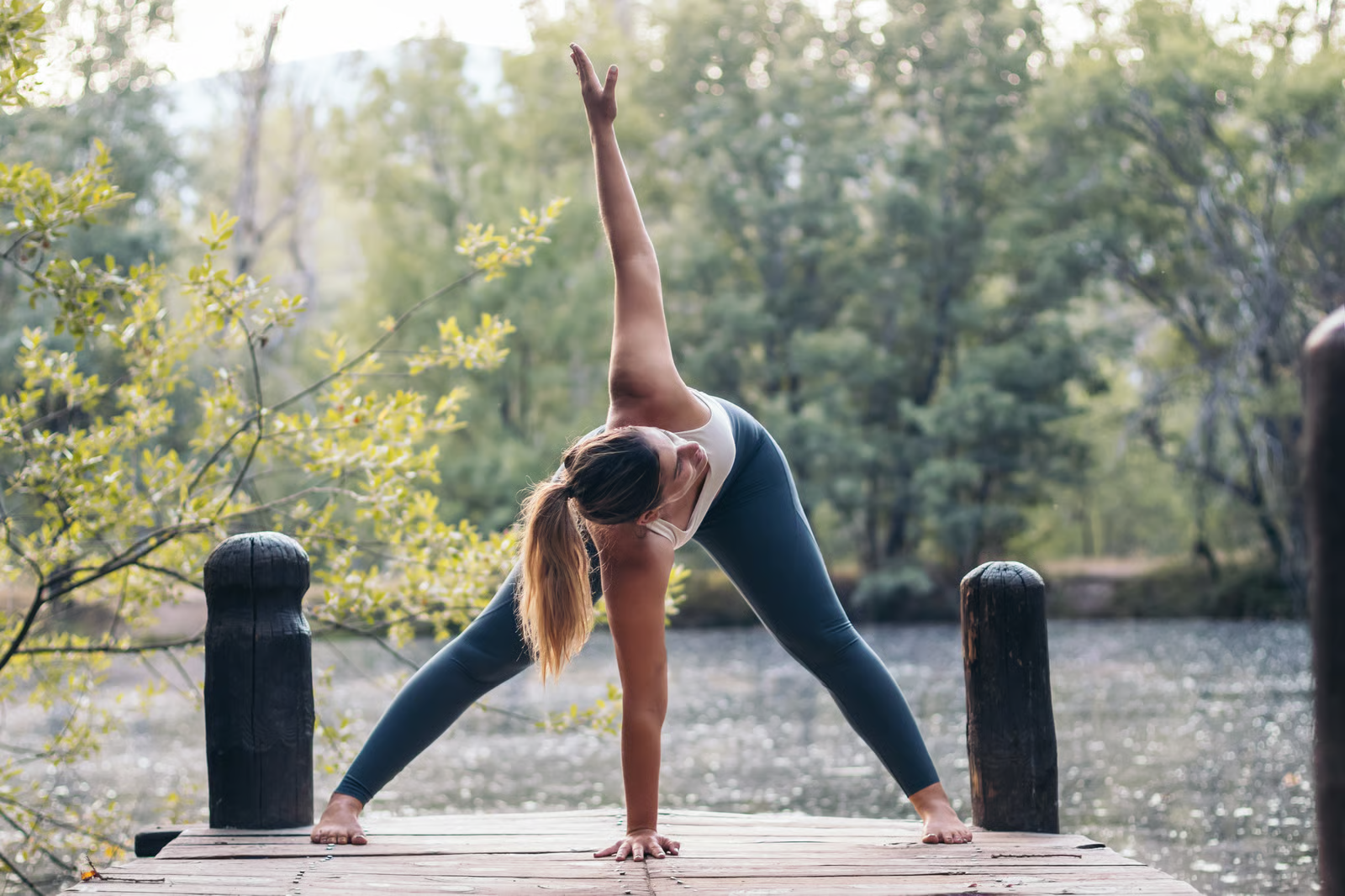 Full body
A foundational inversion that lengthens the hamstrings, opens the shoulders, and decompresses the spine. Press the floor away and let your heels reach the ground.
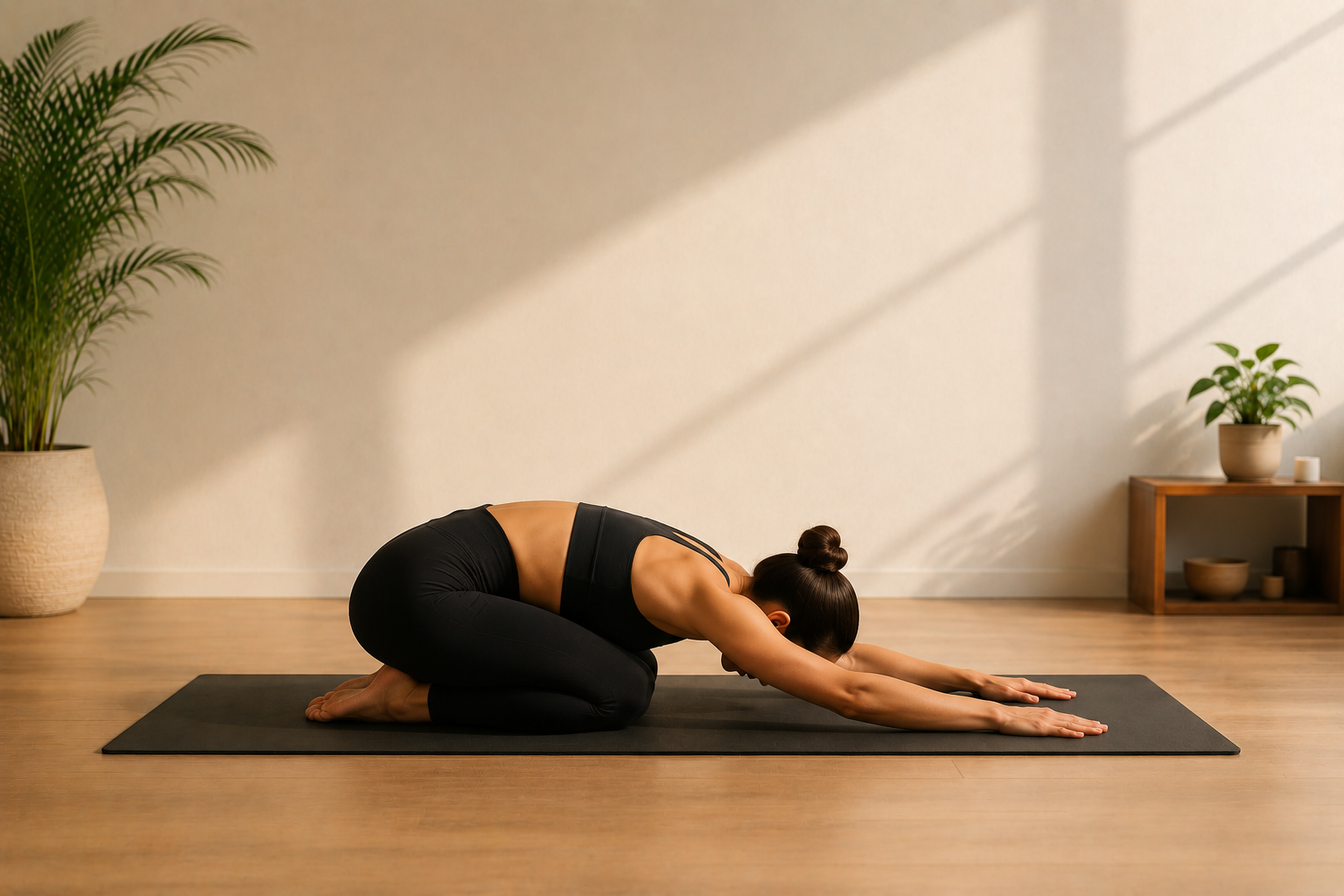 Rest • Hips
A restorative pose to return to whenever you need a breath. Knees wide, big toes touching, forehead soft on the mat. Breathe into your lower back.
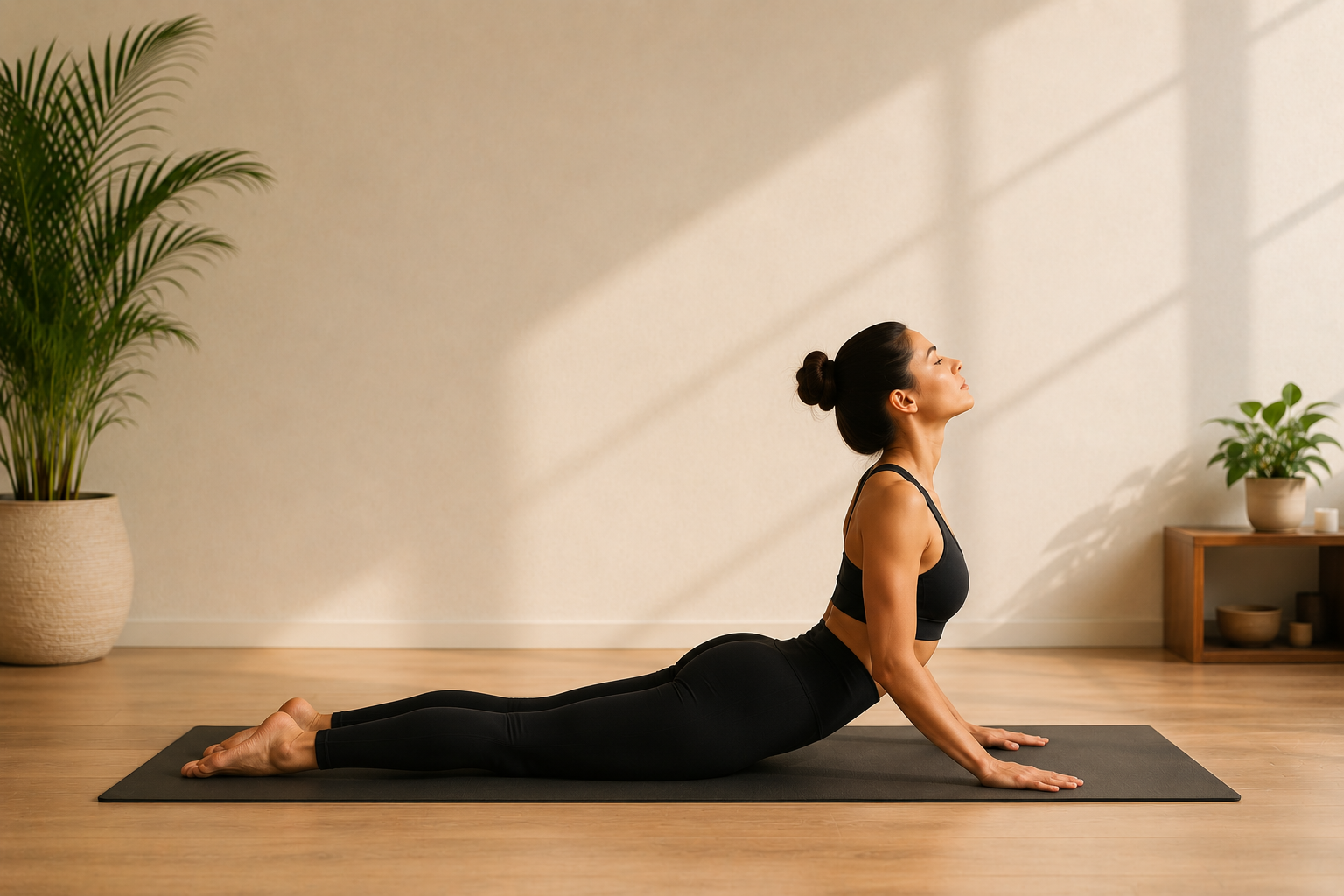 Spine • Chest
A gentle backbend that strengthens the low back and opens the chest. Keep your elbows soft and lift only as high as your body allows without strain.
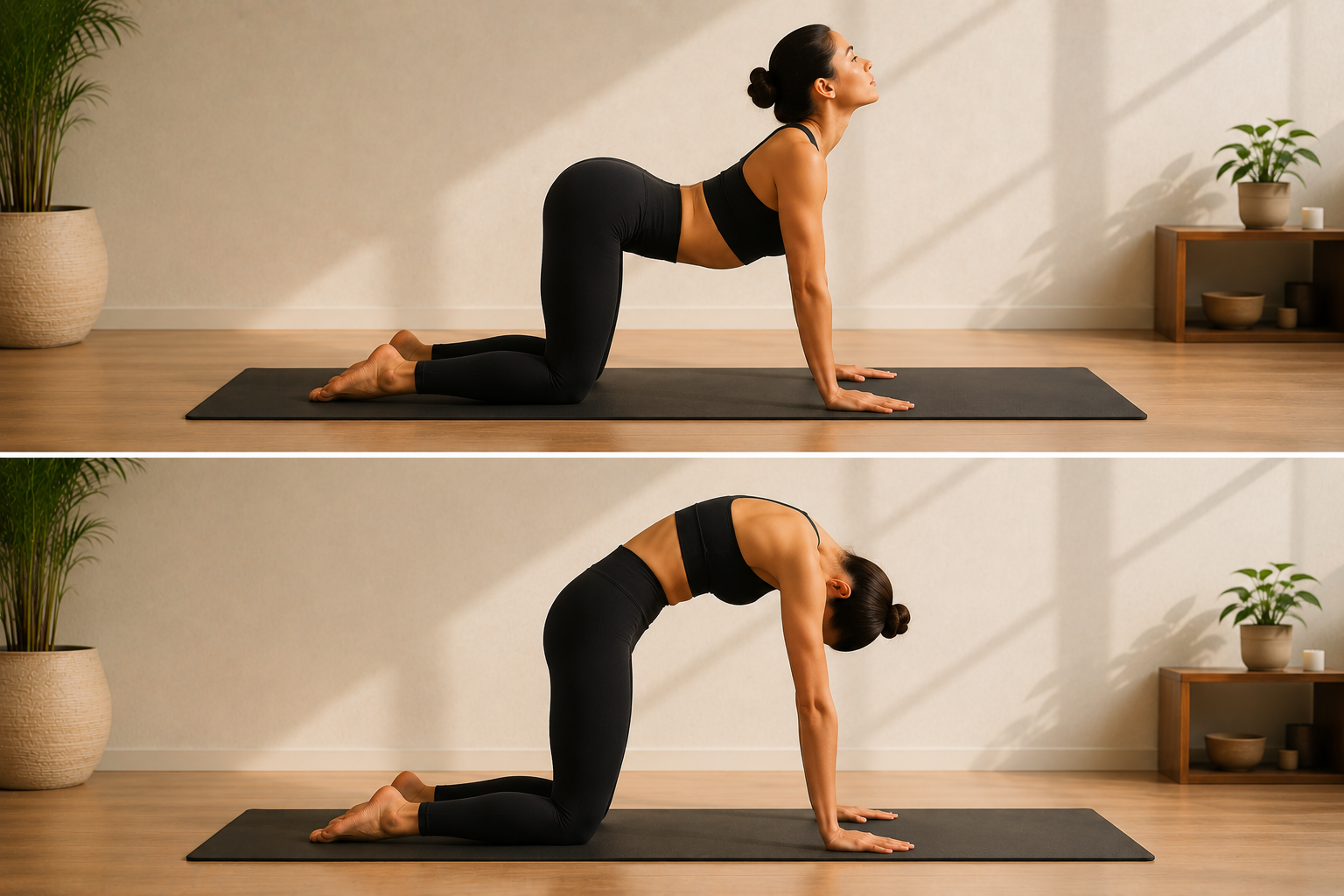 Spine mobility
A slow flow linking breath to movement. Inhale, drop the belly and lift the chest; exhale, round the spine. The best warm-up for any session.
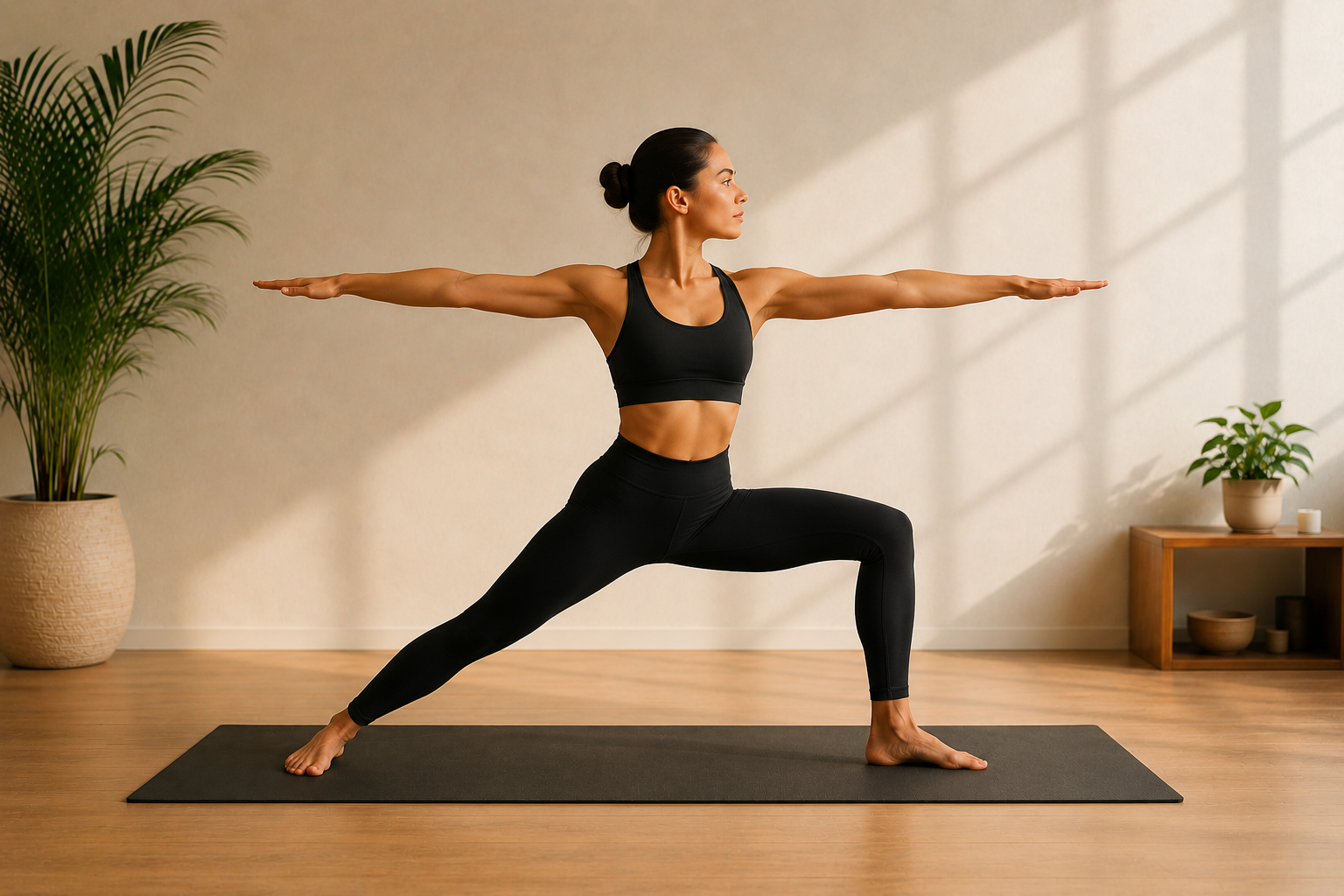 Legs • Focus
A grounding standing pose that builds leg strength, hip mobility, and mental steadiness. Front knee tracks the middle toes, gaze soft over the front hand.
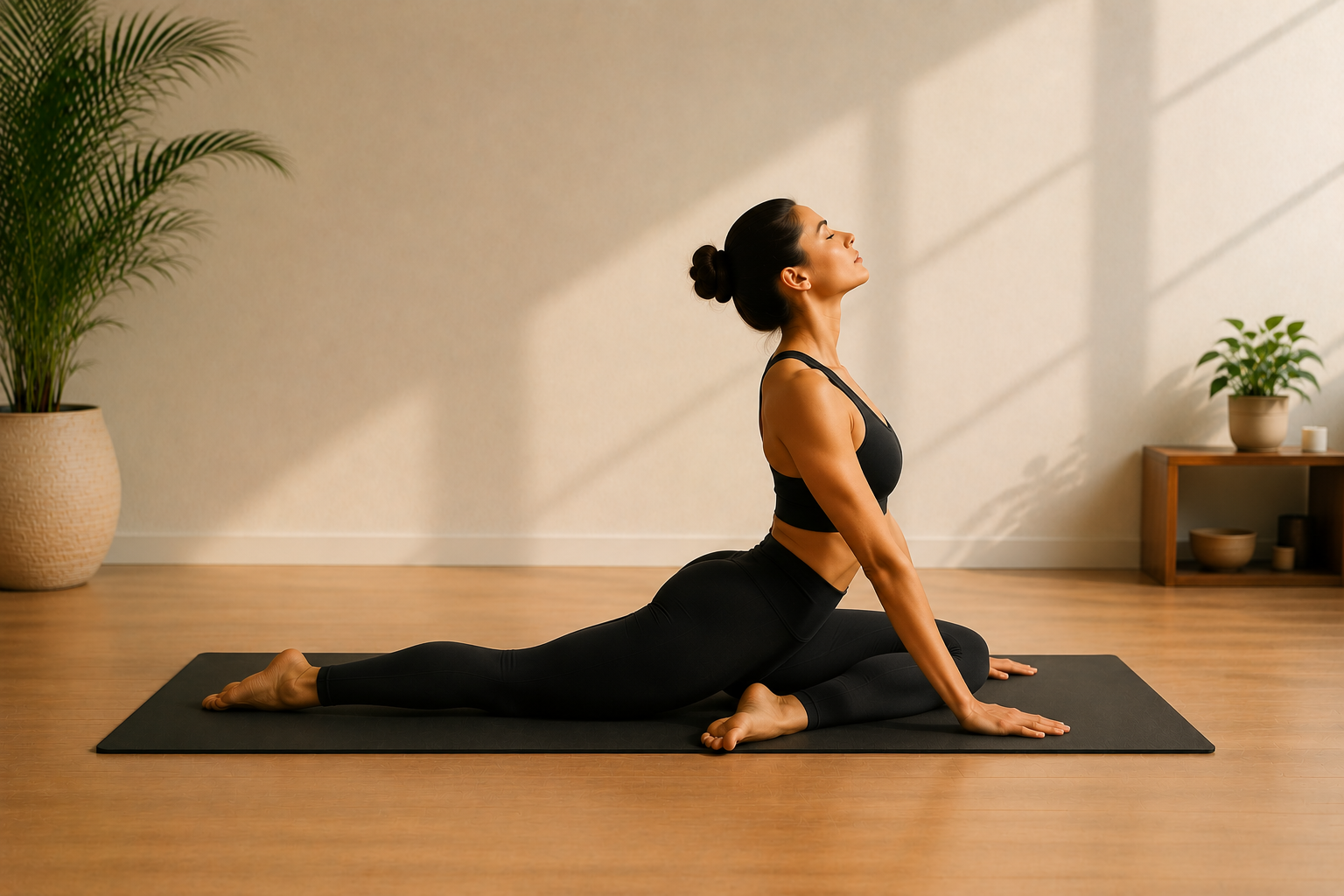 Hip opener
A deep hip opener that releases tension in the glutes and outer hip. Move in slowly, support the front hip with a folded blanket if needed.
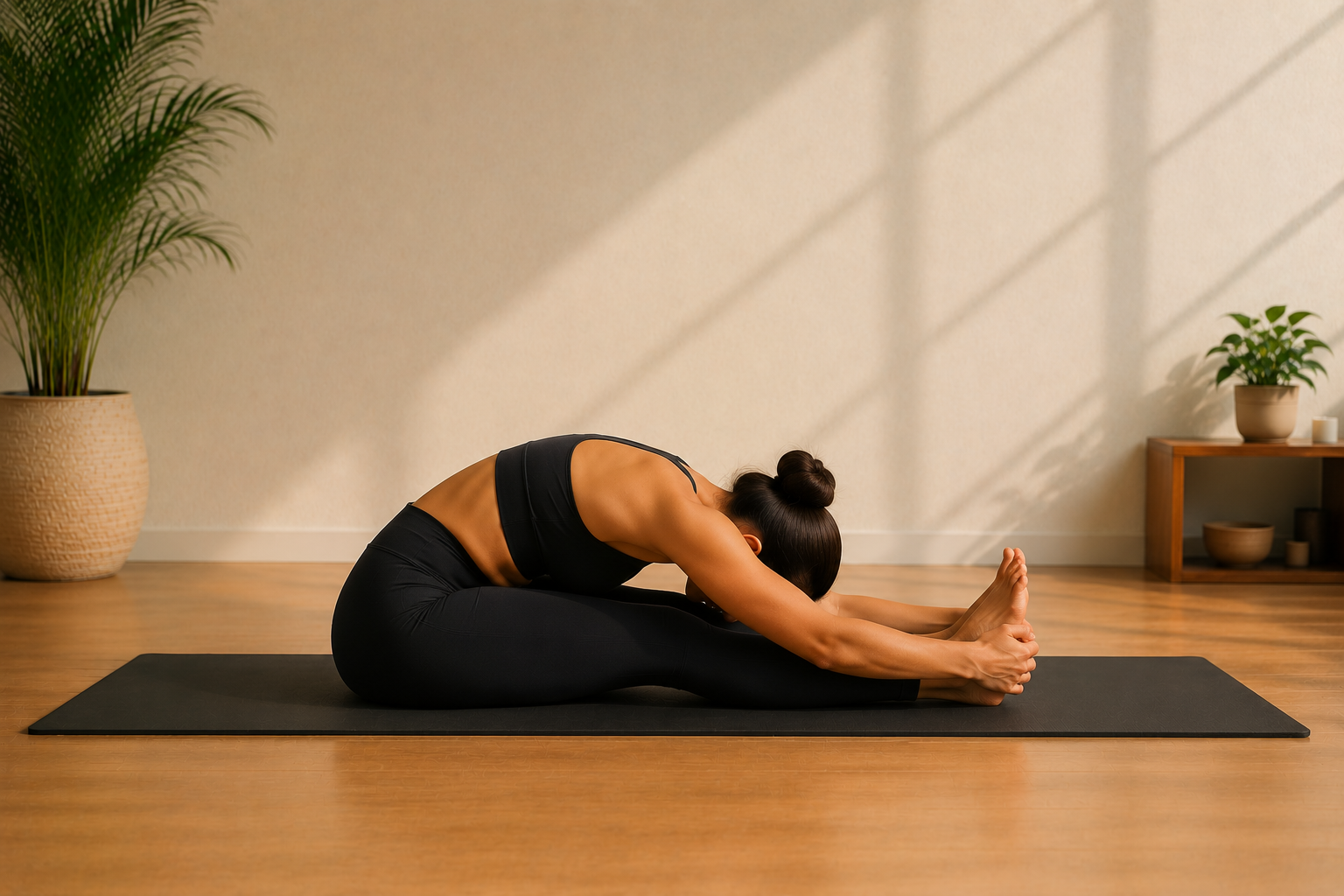 Hamstrings
A calming forward fold that stretches the entire back line of the body. Lead with the chest, not the head, and let the breath deepen the pose over time.
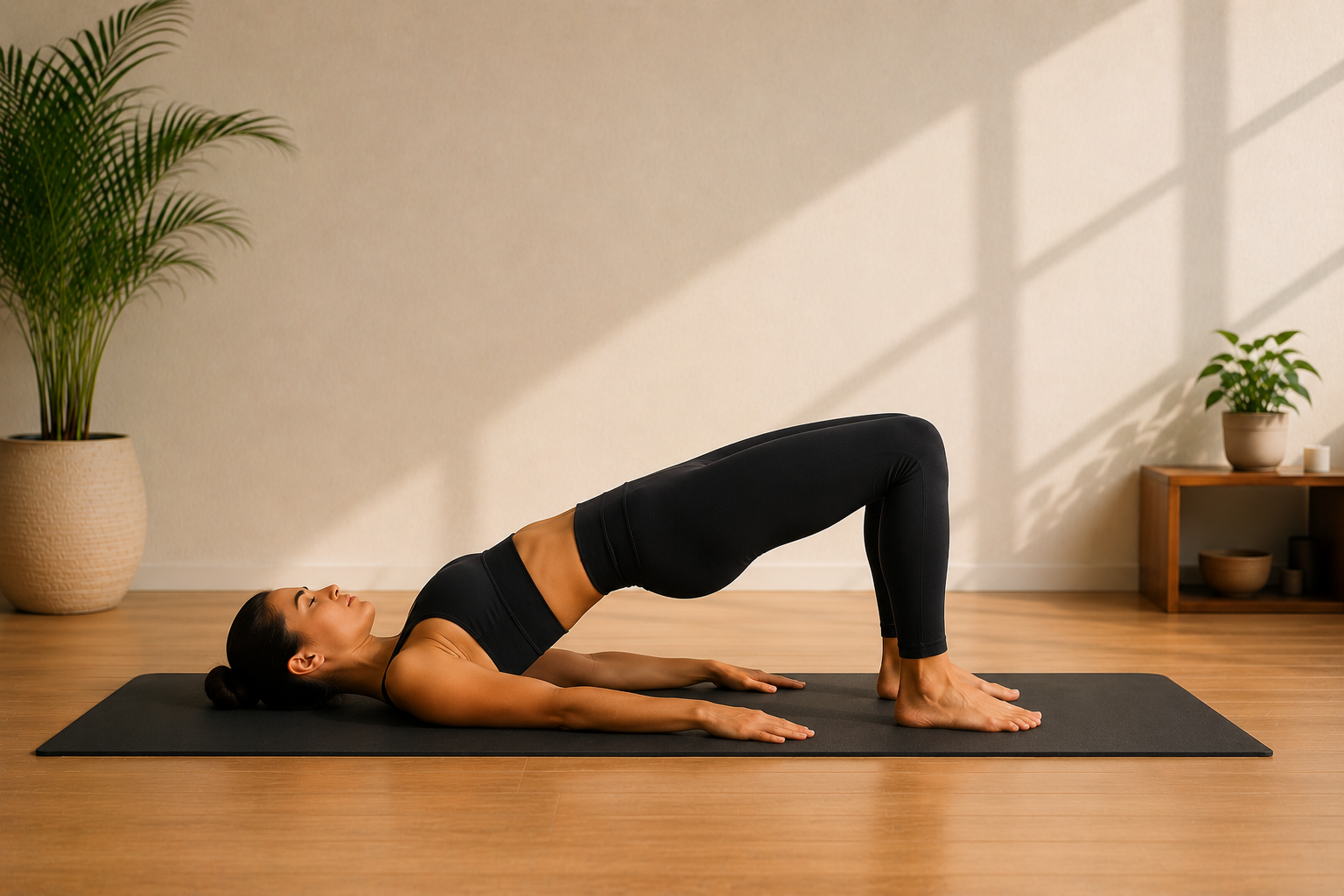 Glutes • Back
A gentle backbend that strengthens the glutes and hamstrings while opening the front of the hips. Press evenly through both feet and lift with control.
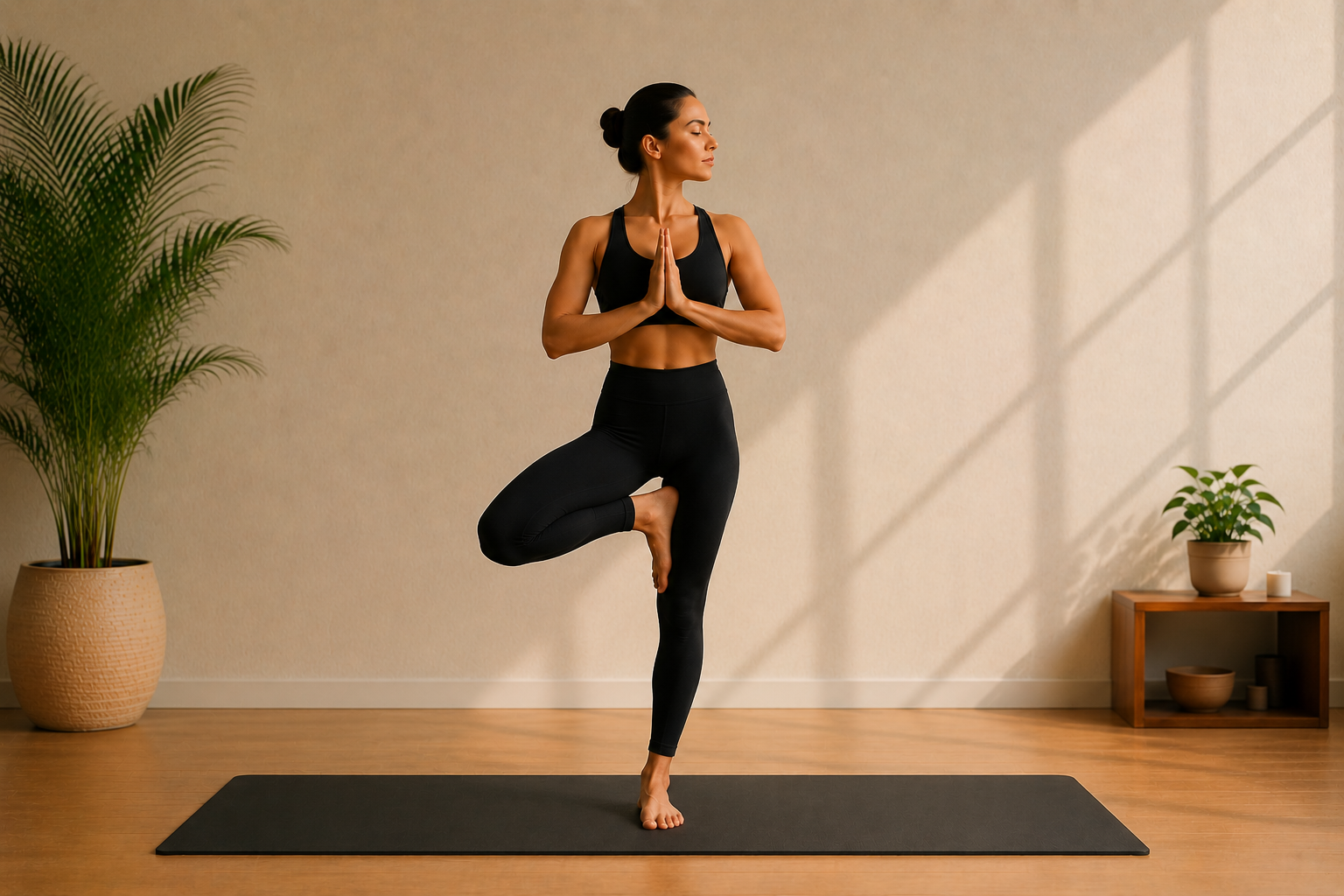 Balance
A single-leg balance that builds ankle stability and mental focus. Fix your gaze on one point and root down through the standing foot.
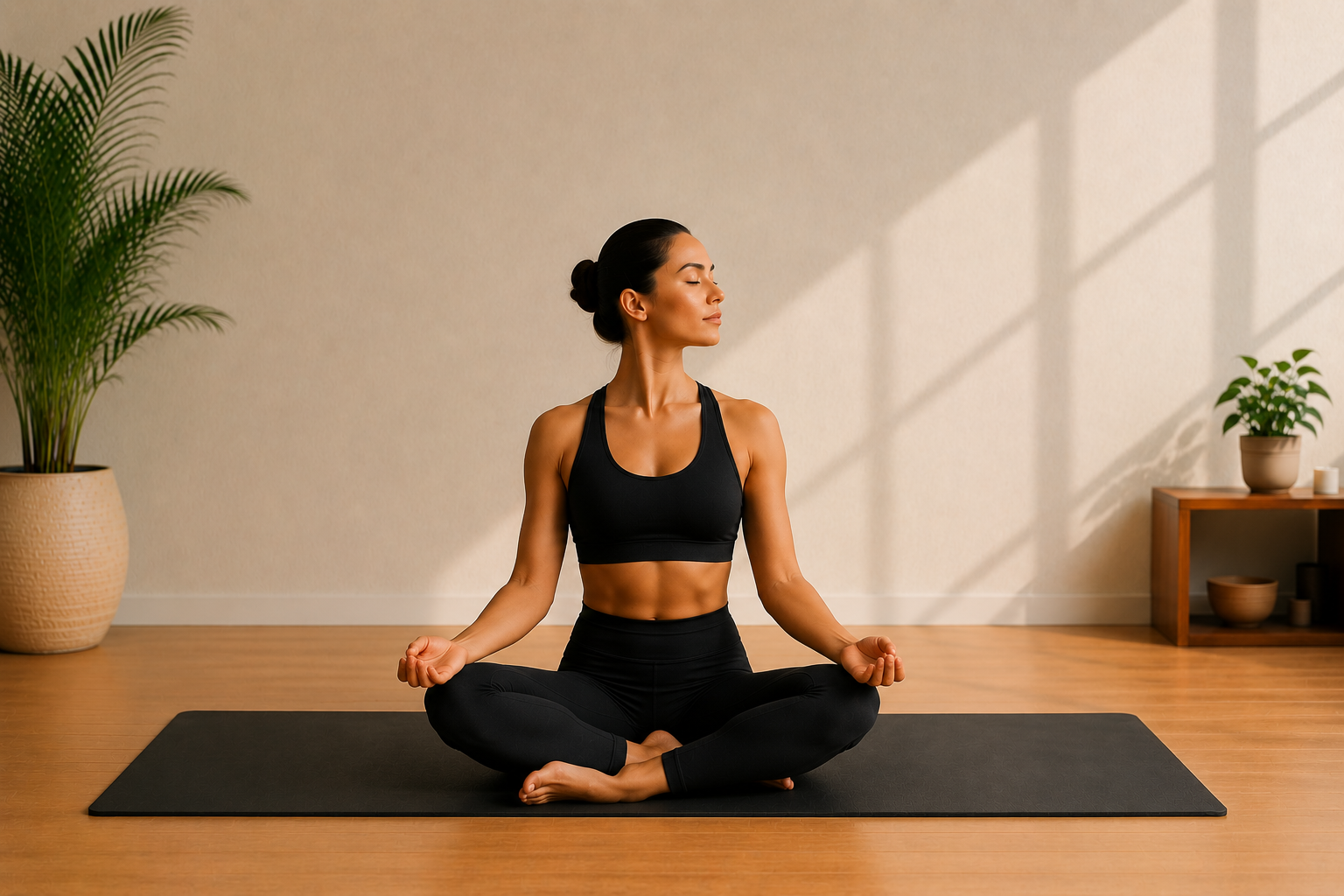 Meditation
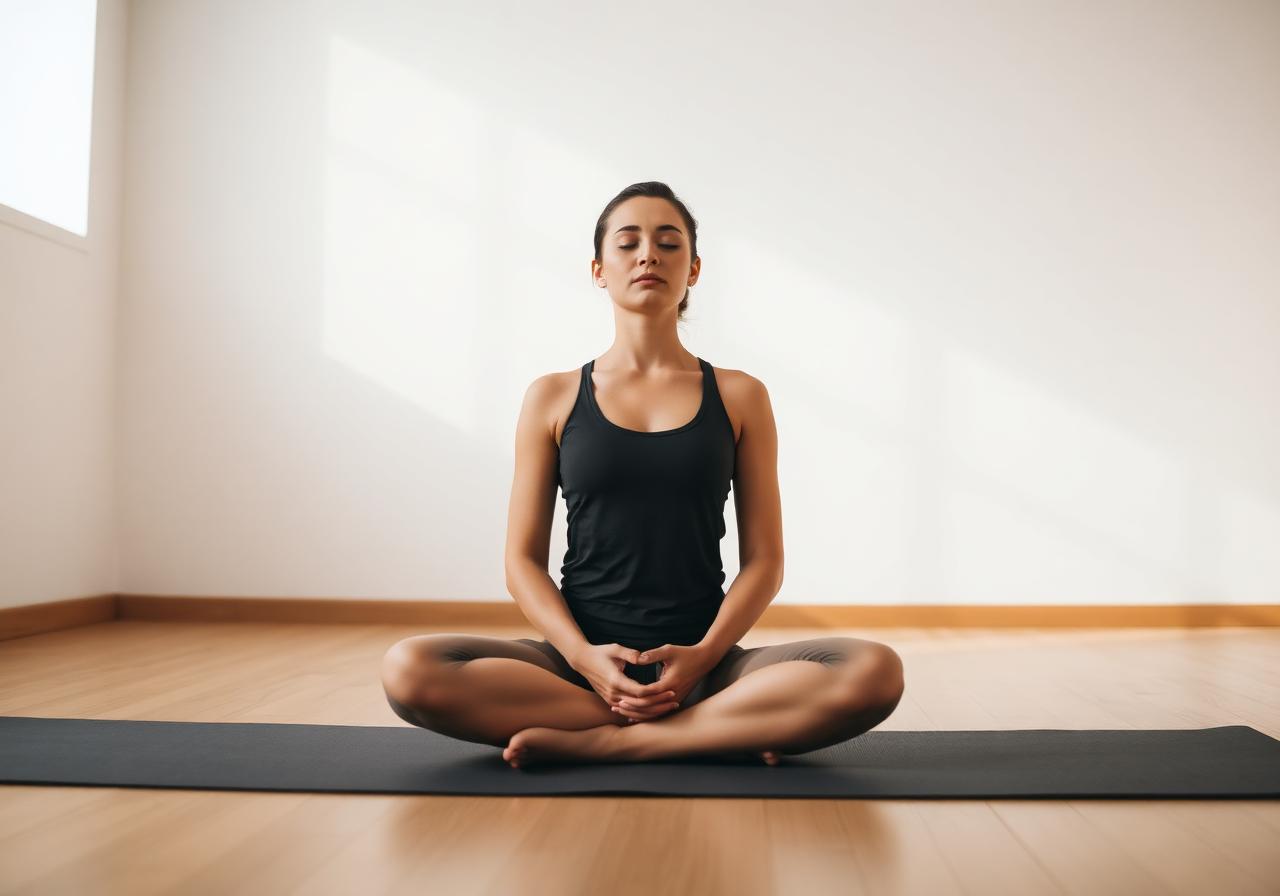
A simple cross-legged seat for breathwork and meditation. Sit tall, crown lifted, shoulders soft. Let the breath settle before you begin.
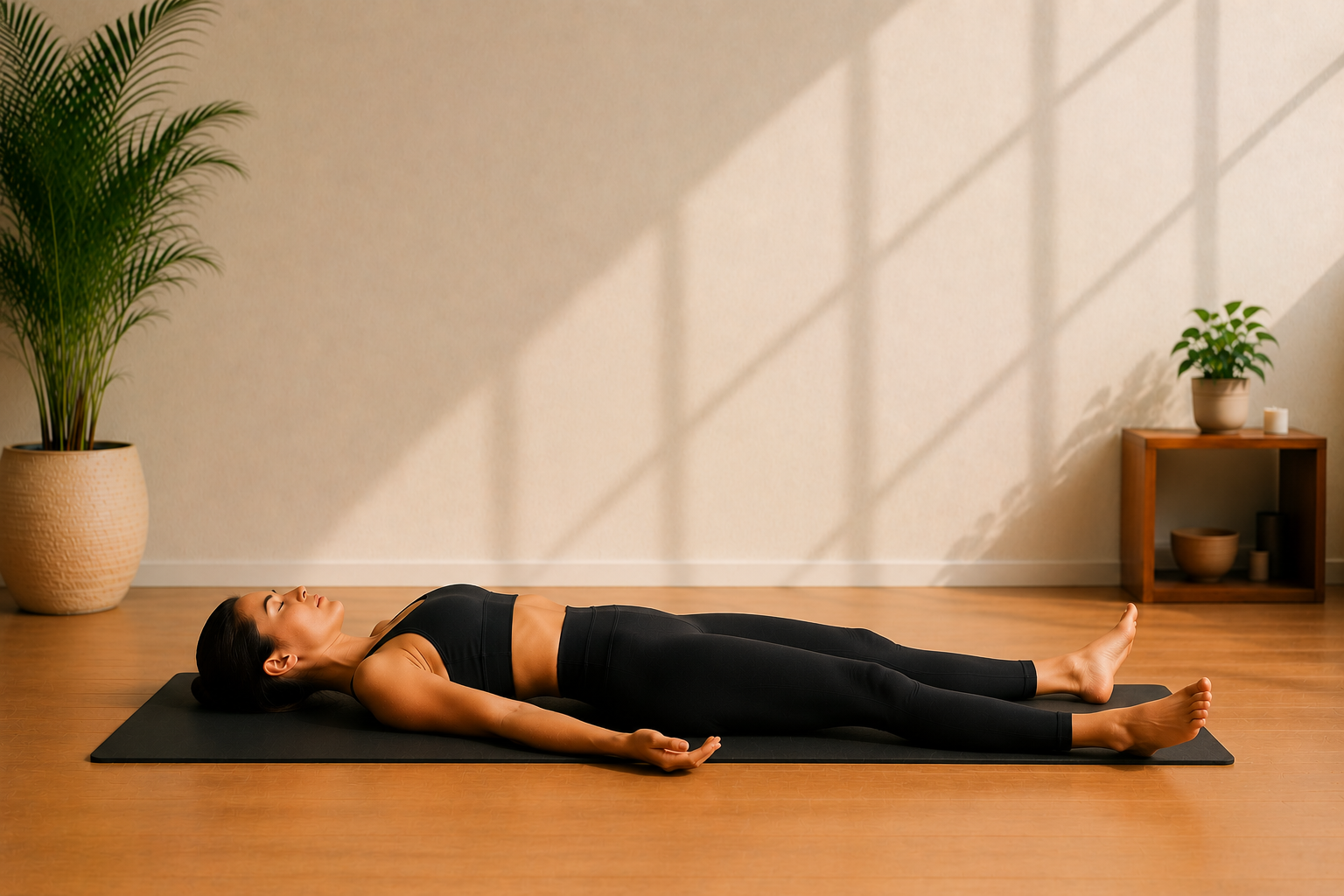 Rest • Integration
The final pose of every practice. Lie flat, palms facing up, and let everything soften. This is where the work is absorbed into the body.
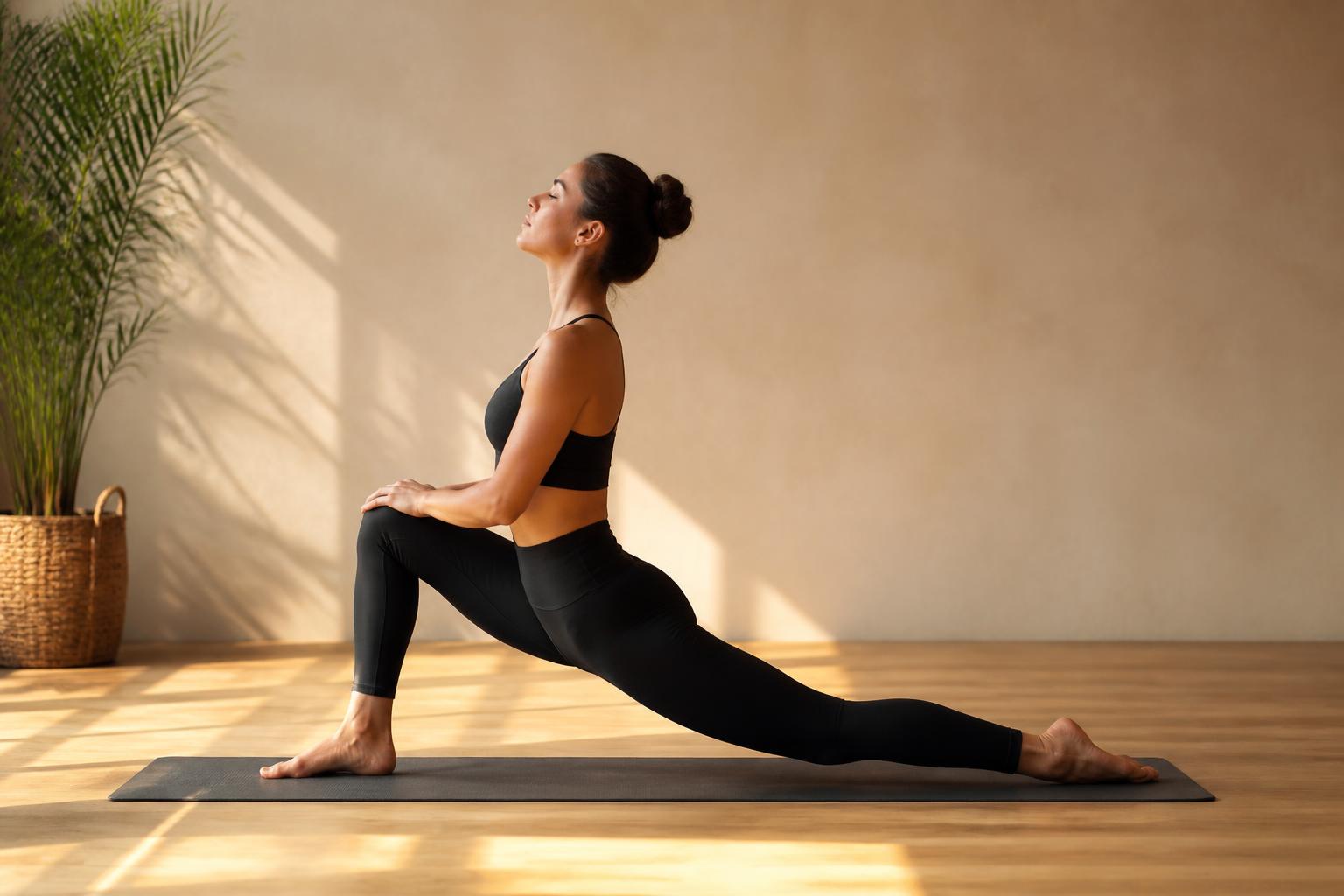 Hips • Legs
A grounding lunge that opens the hip flexors, lengthens the front body, and builds steady lower-body control. Keep the chest lifted and breathe into the stretch.
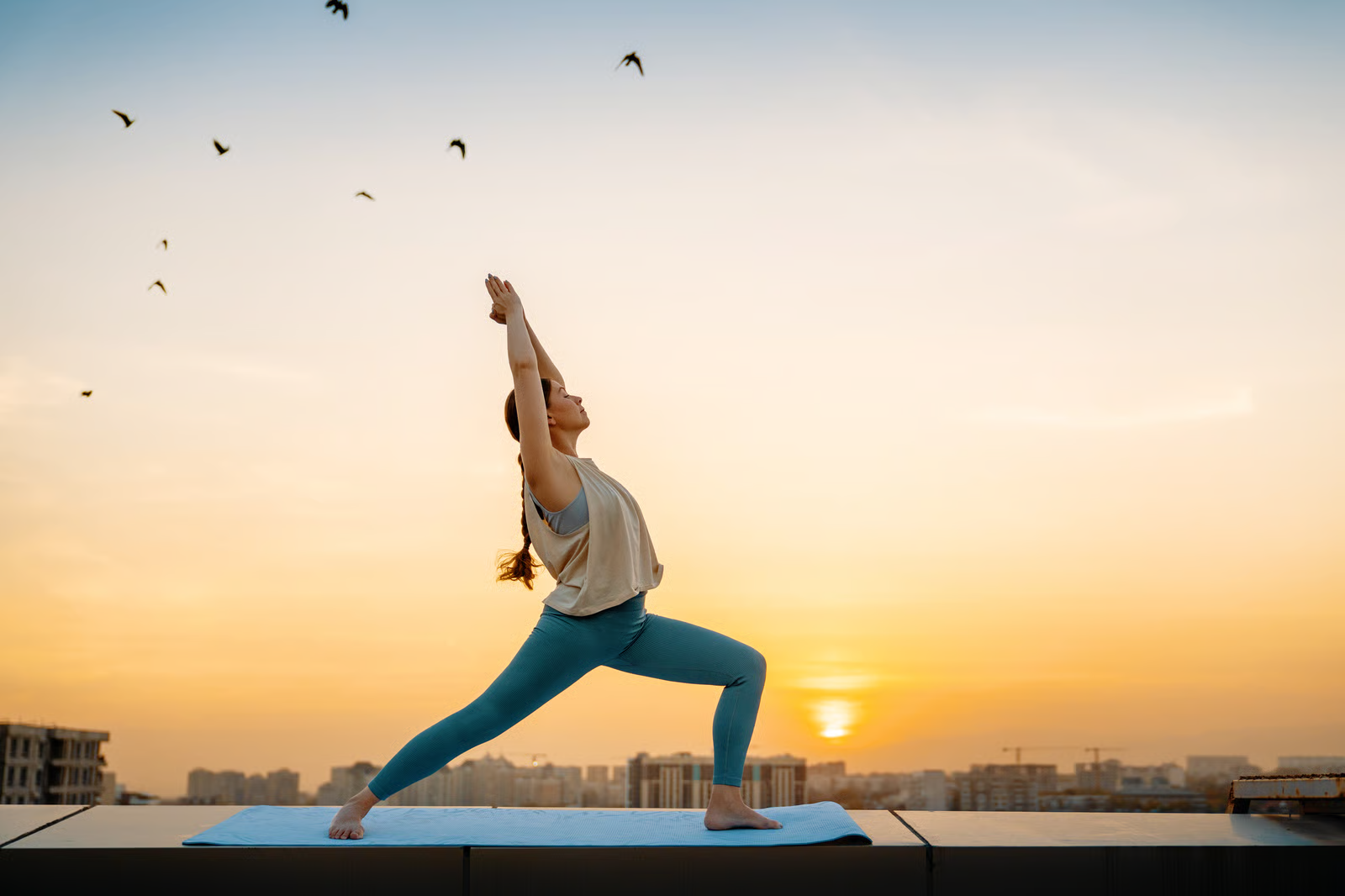 Morning
No hour-long class required. Four intentional movements in five minutes can shift your nervous system from sleep mode to ready mode before your first cup.
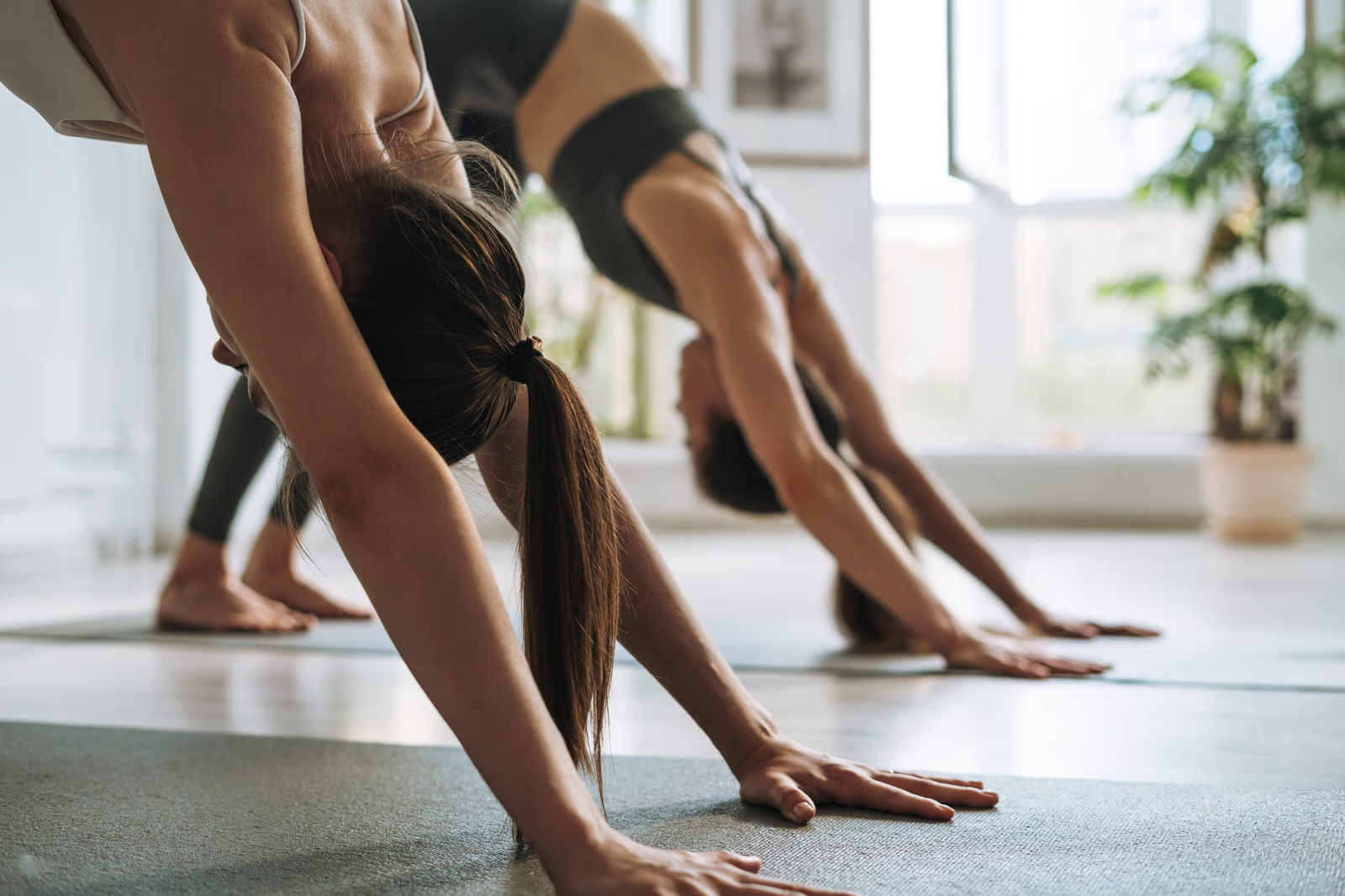 Recovery
Static stretching relaxes a muscle. Mobility teaches a joint to move with control. One feels good in the moment; the other changes how you lift, run and age.
 Mindset
In a culture obsessed with PRs and output, the most underrated recovery tool is a quiet, breath-led session with no metrics at all.
 Foundations
Nasal breathing, diaphragm work and the box breath are free, portable and immediate. Here is how to use each one when it matters.
Onyx Elevate does not own the third-party videos embedded on this page. They are curated for educational and wellness purposes.